
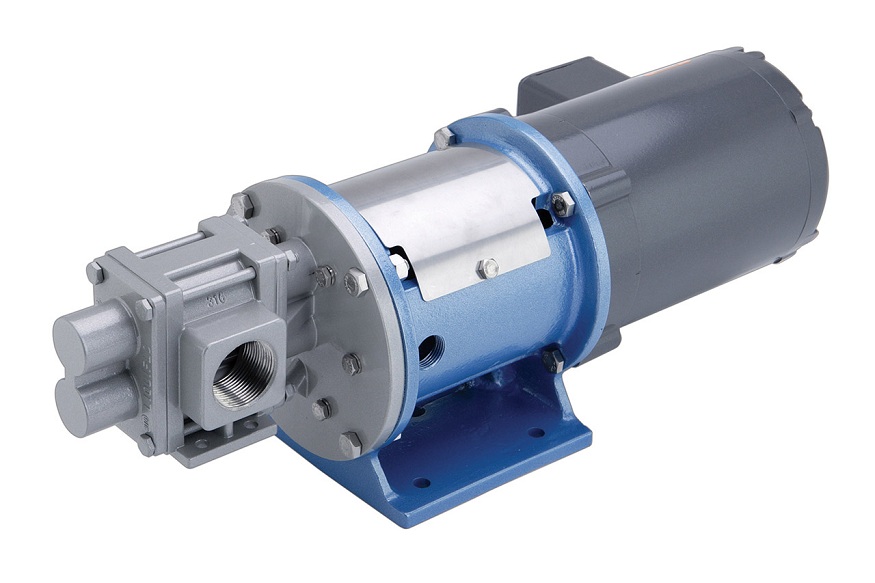
In the world of fluid power, precision is not merely a preference; it is the fundamental requirement for operational stability. Whether you are managing complex manufacturing lines, heavy-duty mobile machinery, or precision agricultural equipment, the hydraulic systems that drive your processes rely on the seamless movement and distribution of fluids. At the heart of these sophisticated circuits sit two critical components: high-pressure gear pumps and flow dividers. Understanding how these devices function, and how they harmonize within a hydraulic architecture, is key to maximizing output while minimizing downtime.
The Role of High-Pressure Gear Pumps in Modern Hydraulic Circuits
Hydraulic systems are essentially energy conversion machines. They take mechanical energy from a prime mover—usually an electric motor or an internal combustion engine—and convert it into fluid power. High-pressure gear pumps are arguably the most common and reliable method for achieving this conversion. By utilizing two meshing gears within a tightly sealed housing, these pumps trap fluid at the inlet and carry it to the outlet, where the decreasing volume creates the high-pressure flow required to actuate cylinders or drive motors.
Unlike low-pressure alternatives, these specific pumps are engineered with precision tolerances and reinforced materials to withstand internal pressures that would cause standard components to fail. They offer a high power-to-weight ratio, making them the preferred choice for applications where space is at a premium and demands for consistent force are constant. When properly selected, they provide a smooth, continuous flow that is essential for maintaining steady movement in sensitive hydraulic actuators.
Precision Distribution with Flow Dividers
While a pump provides the power, a hydraulic circuit often needs to divide that power to control multiple functions simultaneously. This is where flow dividers become indispensable. In many industrial applications, a single hydraulic source must power two or more actuators—such as multiple lifting arms on a construction vehicle or synchronized hydraulic motors on an assembly line—at the exact same speed, regardless of the varying loads on each.
A rotary flow divider operates by splitting the incoming fluid stream into two or more secondary streams. If the load on one actuator increases, the divider compensates by maintaining the ratio of flow to both branches. Without this mechanism, the path of least resistance would dictate the movement, leading to uneven operation, mechanical binding, and potential system failure. Using these devices effectively ensures that synchronicity is maintained, which is critical for complex machinery where uneven force distribution could lead to structural strain or damaged components.
Technical Considerations for System Integration
Selecting and integrating these components requires more than just matching flow rates. Engineers and maintenance managers must consider the operational environment, the viscosity of the hydraulic fluid, and the duty cycle of the machine.
Material Compatibility and Fluid Dynamics
The efficiency of both high-pressure gear pumps and flow dividers is highly dependent on the quality of the hydraulic oil. Particulate contamination is the primary enemy of these systems. Because the gears and internal chambers operate with extremely tight clearances—often measured in microns—even tiny debris can cause accelerated wear. Implementing high-efficiency filtration upstream of these components is a non-negotiable step for long-term reliability.
The Impact of Thermal Load
Hydraulic systems generate heat as a byproduct of pressure drops and friction. When choosing equipment, it is important to ensure that the seals and internal housings can withstand the operating temperatures of your specific environment. In high-demand settings, a pump or divider that runs too hot will lose volumetric efficiency, as the thinning oil leaks past internal clearances, resulting in “slip” and a noticeable drop in overall system performance.
Enhancing System Longevity Through Proper Maintenance
The lifespan of your hydraulic infrastructure is directly linked to the rigor of your maintenance protocols. Because high-pressure gear pumps are subject to constant mechanical stress, monitoring their performance through vibration analysis or sound testing can provide early indicators of internal gear wear.
Similarly, flow dividers should be inspected for signs of uneven output. If the synchronization of your actuators begins to drift, it is often a sign that the internal bypass or dividing mechanism is being compromised by contaminants or wear. Instead of waiting for a total system failure, which can lead to costly downtime in manufacturing or logistics operations, performing scheduled fluid analysis and internal component checks can extend the service life of these units by years.
Strategic Selection: Matching Hardware to Application Needs
Not every application requires the same configuration. When designing a system, the primary goal should be to balance the pressure requirements with the volume of fluid movement needed.
- Sizing the Pump: An oversized pump can lead to excessive energy consumption and unnecessary heat generation, while an undersized pump will struggle to meet peak demand, leading to sluggish operation.
- Configuring Dividers: Determine whether you require a gear-type divider, which is robust and suitable for high-pressure synchronization, or a spool-type valve, which may offer different characteristics in terms of accuracy and cost.
- System Pressure Rating: Always ensure that every component in the line is rated for the maximum pressure the system can generate. A pump that produces more pressure than the downstream divider is designed to handle will lead to seal blowouts and catastrophic leaks.
Why Quality and Precision Matter
In industrial settings, the cost of a failed hydraulic component is rarely limited to the price of the part itself. It includes the labor to install it, the potential damage to other parts of the machine, and the lost revenue from production delays. Relying on high-quality, properly specified high-pressure gear pumps ensures that the “heart” of your machine beats reliably. Likewise, incorporating well-engineered flow dividers ensures that the “limbs” of your machinery act in concert, providing the reliability required for modern high-output environments.
Creating a Sustainable Hydraulic Strategy
As organizations look to improve their efficiency, the trend is moving toward smarter, more responsive hydraulic systems. By integrating sensors and monitoring technology alongside your pumps and dividers, you can move from reactive maintenance to a proactive model. Knowing exactly when a pump’s efficiency is dropping or when a flow divider is beginning to show signs of imbalance allows you to schedule service during planned downtime, rather than scrambling in the middle of a production run.
Ultimately, the goal of any hydraulic design is to create a closed loop that is both predictable and powerful. By focusing on the precision of your high-pressure gear pumps and the accuracy of your flow dividers, you can achieve a level of operational consistency that keeps your facility running at peak performance. Whether you are dealing with stationary industrial equipment or mobile heavy machinery, these components represent the backbone of efficient, reliable force transmission. Investing in their proper selection, maintenance, and integration is a proven strategy for reducing long-term costs and ensuring that your operation remains competitive in an increasingly demanding industrial landscape.