
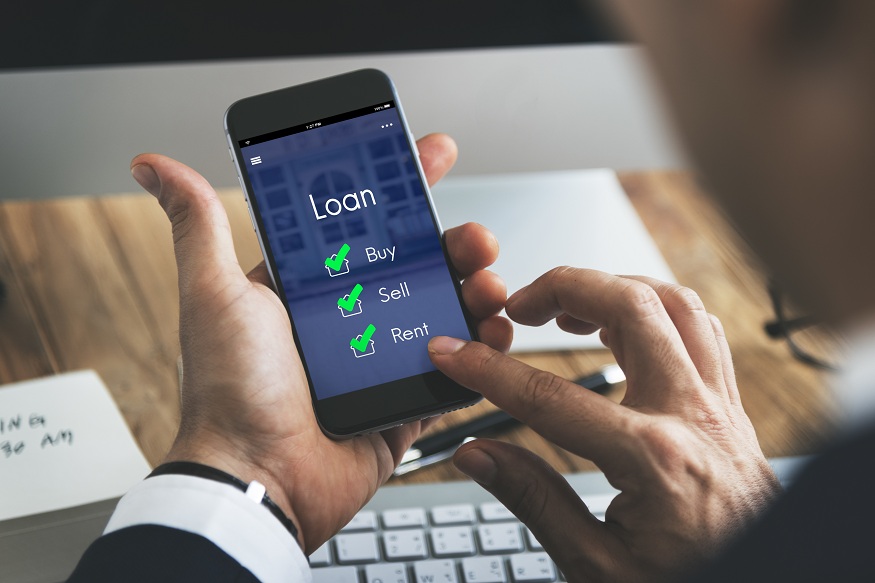
In recent years, the landscape of financial transactions in India has undergone a seismic shift. The traditional methods of managing money are rapidly yielding ground to digital platforms. At the heart of this transformation lie digital payment behaviours that are subtly yet profoundly influencing modern credit use. This shift is reshaping how individuals and businesses approach not just online transactions but also credit mechanisms, loans, and financial management as a whole.
The Dawn of Digital Payments
India’s digital payment evolution has not occurred in isolation. It is part of a larger global trend driven by the proliferation of smartphones, increased internet penetration, and visionary government policies like Digital India. The surge in online bill payment options and platforms such as Unified Payments Interface (UPI), Paytm, and Google Pay has enabled consumers to transact with unprecedented ease and security.
Read More : Which Loan App Suits You Best? Personal vs Online Loan Apps Compared
A New Era for Credit
Technology’s embrace within finance is redefining credit use. The availability of digital credit products and services is democratising access to credit, allowing more individuals—especially those previously underserved by traditional banks—to obtain loans. Today, consumers can apply for a loan through a few taps on their smartphones, which has dismantled the erstwhile bureaucratic barriers.
Riding the Digital Wave: Transformative Impacts
Accessibility and Convenience
One cannot overlook the sheer convenience that digital payments bring. Just as one would grab a quick meal through a fast-food drive-through, today’s consumers can accomplish tasks such as an online bill payment within minutes. This accessibility removes the intimidation of financial services, especially for younger generations more accustomed to digital interfaces than physical bank branches.
Moreover, digital payments have opened avenues for millions of unbanked individuals in India, providing them with the opportunity to secure microloans and other financial services. The integration of e-wallets and UPI systems into the rural economy ensures that no one is left behind.
Enhanced Financial Literacy
The digital revolution is also spurring financial literacy among users. With mobile apps offering real-time insights, budget tracking, and spending analysis, consumers are becoming more educated about their income and expenditure patterns. This awareness fosters prudent credit use—individuals are more likely to take on loans that they can manage and repay comfortably.
Digital interfaces often come equipped with educational resources that demystify the credit process. As Indians adapt to these technologies, their understanding of credit ratings and loan terms is improving, potentially leading to healthier financial habits akin to tending a well-cultivated garden.
The Role of Fintech Innovations
Personalised Financial Solutions
Fintech companies are at the forefront of offering customised loan products tailored to user preferences and financial behaviour. These platforms utilise data analytics to assess creditworthiness rapidly, cutting through the red tape that traditional credit systems often entail. Through this, even those without a robust credit history can access loans—they are evaluated based on alternative data, such as mobile usage patterns and transactional history.
For instance, think of a lending platform as similar to an online music service that suggests playlists based on your listening habits—it creates an adaptive credit profile that matches your financial rhythm.
Reduced Risk and Enhanced Security
The fear of fraud traditionally associated with digital transactions is diminishing, thanks to robust encryption technologies and biometric authentication methods. Digital payment platforms now offer heightened levels of security, providing consumers with confidence akin to investing in a secured vault.
This protection extends to credit transactions, where reduced fraud risks encourage greater reliance on digital loans and online credit card use. Enhanced security measures thus make the digital credit process more appealing and trustworthy.
Challenges and Considerations
Over-reliance on Digital Systems
While the advantages are numerous, it is essential to tread carefully along the path of digital financial solutions. Over-reliance on digital systems can lead to certain pitfalls, such as cybersecurity threats or the digital divide that excludes sections of society that might lack access to reliable internet or smartphones.
Data Privacy Concerns
As digital payment platforms grow more sophisticated, the amount of personal data being shared increases. While fintech companies assure users of privacy, there remains concern similar to being cautious about letting strangers into one’s home. Maintaining data confidentiality and building customer trust is paramount.
The Future of Digital Credit Use
Integration with Emerging Technologies
The future of digital credit and payment systems looks set to intertwine with emerging technologies like artificial intelligence and blockchain. AI will offer predictive insights into spending habits, while blockchain promises unparalleled transparency and a tamper-proof ledger—both of which can further revolutionise credit systems and online bill payment processes.
Encouragement of Responsible Financial Practices
Ultimately, the widespread adoption of digital payment systems can lead to the encouragement of more responsible financial behaviour. As consumers gain better control and insight into their financial lives, the trend of taking manageable loans and repaying them on time is likely to grow. It becomes akin to adhering to a disciplined exercise regimen for long-term benefits.
Conclusion: Embracing the Change
The digital payment behaviour of today is undoubtedly redefining how credit is perceived, accessed, and utilised. This revolution is not just about convenience; it’s about altering the very fabric of financial culture in India. As consumers and businesses continue to acclimatise to this digital rhythm, the approach to credit use will become more strategic, informed, and inclusive.
Read More : Can a Personal Loan Be Both Easy and Affordable? Here’s What to Know
The call for action is clear: embrace this transformation, harness the potential of digital payment platforms, and engage in a future where financial inclusivity and innovation are the norms. By doing so, we lay the groundwork for a robust economic landscape that resonates with the digital age, ensuring prosperity and growth for all.
In embracing these changes, we are not merely adapting; we are setting the stage for a new era of financial empowerment—one digital payment at a time.